Cameron Otto · 1 November 2026
Insights Into Educator Preparation From Poland's Implementation of Agile Coaching Frameworks
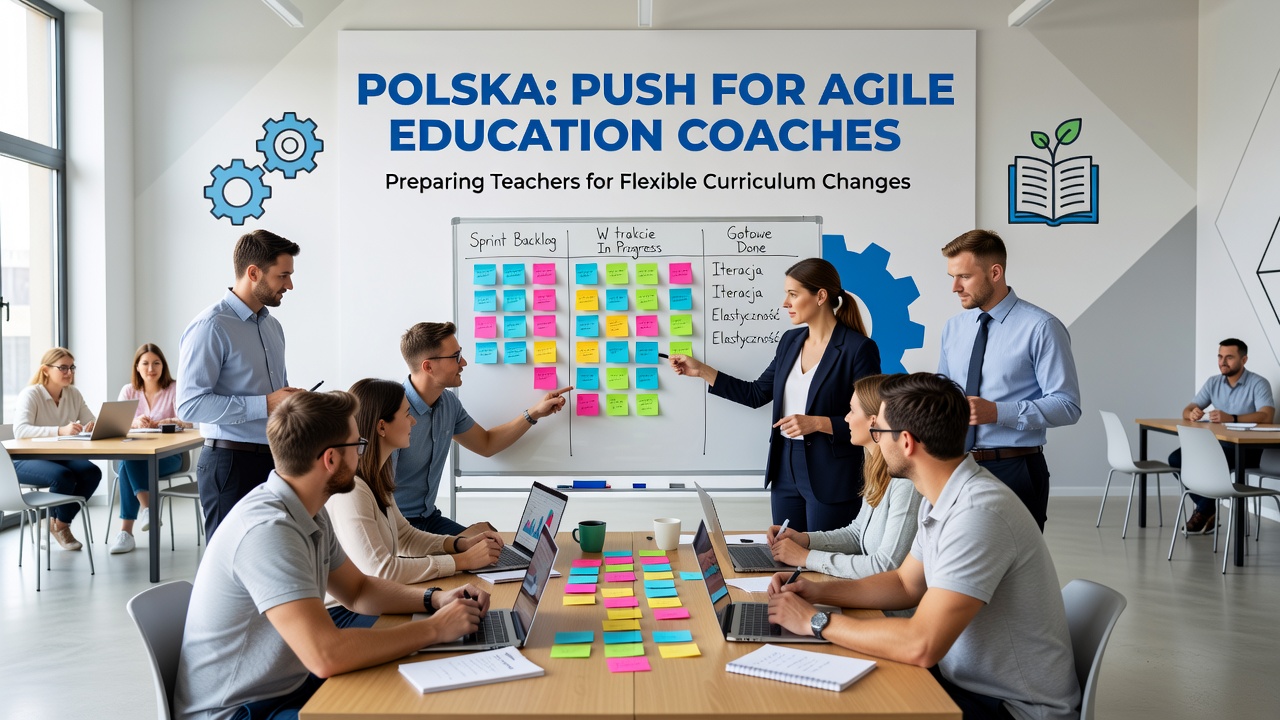
Poland has expanded its use of agile education coaches as a structured response to demands for curriculum adaptability, and observers note this development connects directly to ongoing efforts in teacher preparation across multiple regions. Data from national education monitoring shows that coach deployments began scaling in 2024, with additional phases scheduled through November 2026 when regional training networks plan coordinated rollouts in over 200 schools. Research indicates these coaches focus on iterative planning cycles, feedback integration, and responsive adjustment protocols that help teachers handle shifting content requirements without disrupting core instructional sequences.
Core Elements of the Coaching Approach
Agile education coaches operate by embedding facilitation techniques that emphasize short-cycle reviews and collaborative mapping of learning objectives, while teachers apply these methods to adjust lesson sequences based on real-time student performance indicators. Studies from European education research bodies reveal that participating educators report higher rates of successful navigation through curriculum revisions when supported by these structured interactions, and figures from pilot programs show retention of new practices reaching 68 percent after six months. The process incorporates tools such as priority matrices and stakeholder input sessions that allow teams to identify adjustment points early, thereby reducing the lag between policy updates and classroom application.
One documented case involved a cohort of secondary instructors in central Poland who used coach-guided sessions to realign science modules following ministry-mandated updates on environmental topics, and the adjustments occurred within a single academic quarter rather than the traditional full-year timeline. Similar patterns appear in language programs where coaches helped staff integrate cross-disciplinary themes, resulting in documented improvements in student engagement metrics tracked by local assessment teams.
Connections to Flexible Curriculum Demands
Flexible curricula require teachers to respond to variable pacing needs, emerging standards, and localized learner profiles, and Poland's coach initiative highlights preparation strategies that address these variables through repeated practice in adaptive scenarios. According to reports compiled by the European Education Area network, systems that train educators in facilitation and rapid iteration demonstrate stronger alignment between policy intent and delivery outcomes, whereas rigid training models often produce delays in implementation. Coaches in the Polish program emphasize scenario planning and reflection protocols that mirror workplace agility practices, allowing teachers to test small-scale modifications before broader rollout.
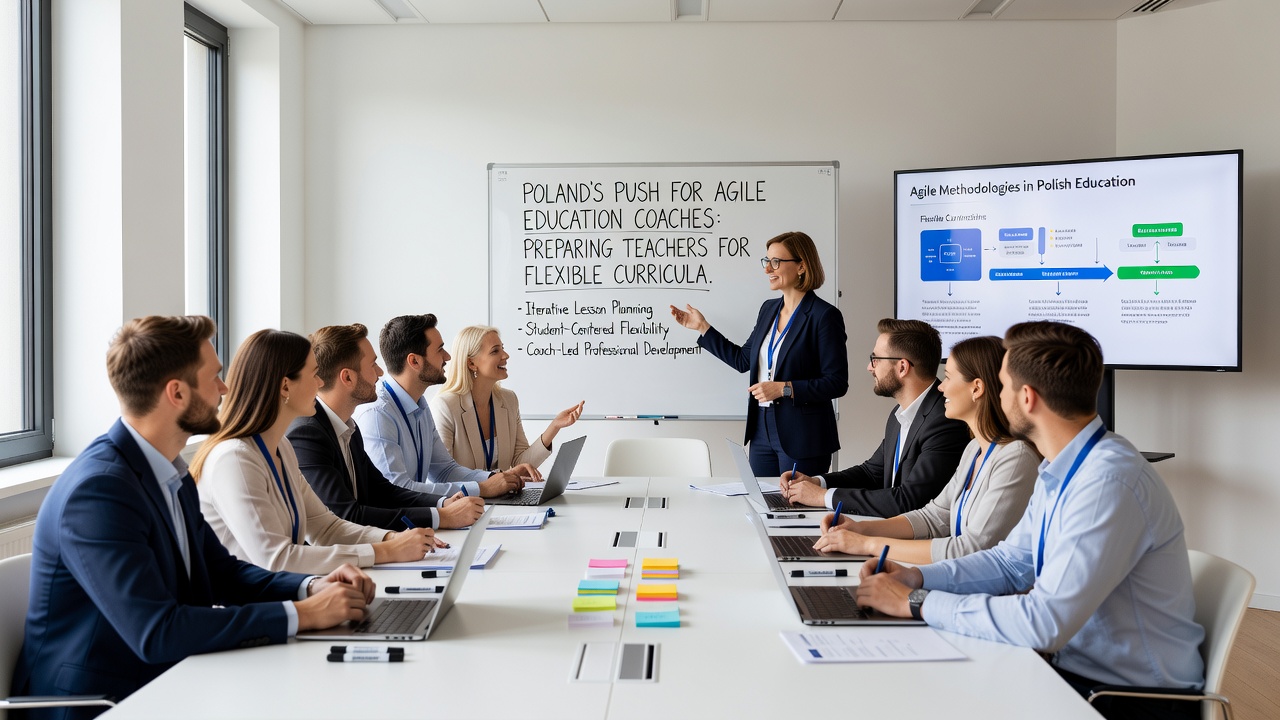
Training modules delivered through the coaches cover topics including outcome mapping, feedback loop design, and resource reallocation methods, and participants practice these elements in simulated environments before applying them in live classrooms. Evidence from longitudinal tracking by academic research groups shows that teachers exposed to such preparation maintain curriculum coherence even when external requirements shift mid-term, and the approach correlates with reduced administrative rework in participating districts. What's significant is the emphasis on collective problem-solving sessions that distribute decision-making across grade-level teams, thereby building distributed capacity rather than concentrating expertise in administrative roles alone.
Broader Patterns Observed in Implementation
Patterns emerging from the Polish experience align with findings from other education systems that have introduced similar support structures, and a 2025 analysis by the OECD education directorate points to consistent gains in teacher confidence when iterative coaching accompanies curriculum reforms. The November 2026 expansion phase includes provisions for cross-regional knowledge exchange events, which organizers expect will surface additional case examples of successful adaptation techniques. Data collected to date indicates that schools integrating coach support at the departmental level achieve faster consensus on priority changes compared with those relying solely on top-down directives.
External evaluations further note that the model encourages documentation of adjustment rationales, creating shared repositories that new staff can access during onboarding periods. This repository-building aspect connects to wider trends in professional learning communities where sustained access to peer-generated resources supports ongoing responsiveness without repeated external intervention.
Implications for Teacher Preparation Programs
Preparation programs seeking to incorporate agile elements have begun embedding modules on facilitation and adaptive planning, and Polish examples provide concrete illustrations of how these components function within existing certification pathways. Research indicates that programs blending theoretical foundations with coached practice sessions produce graduates who demonstrate quicker uptake of flexible instructional strategies upon entering service. Observers note that the approach also surfaces questions about scaling coach availability, particularly in rural districts where travel logistics affect frequency of in-person support.
Linkages to international benchmarks appear in comparative studies, such as those referenced by OECD education reports, which track similar coach-supported reforms in several member countries. A separate analysis from the Statistics Canada education research series examines parallel efforts in Canadian provinces, revealing overlapping challenges around measurement of long-term curriculum adaptability outcomes. These cross-context comparisons help clarify which elements of the Polish model transfer effectively and which require local calibration.
Conclusion
Poland's deployment of agile education coaches continues to generate data on effective preparation pathways for teachers facing variable curriculum conditions, and the scheduled activities through November 2026 will likely extend the evidence base further. The initiative underscores the value of structured facilitation, iterative review processes, and team-based decision frameworks in maintaining instructional quality amid change, while external evaluations provide additional context for assessing transferability to other settings. Ongoing monitoring will determine how these preparation methods influence sustained teacher capacity over multiple reform cycles.